
Por Fco Alejandro Leyva Aguilar
Para los chinos en Shanghai la Inteligencia Artificial representa un salto cuántico en sus posibilidades de hacer negocio sobre todo con el broadcasting en su espacio y en el del mundo.
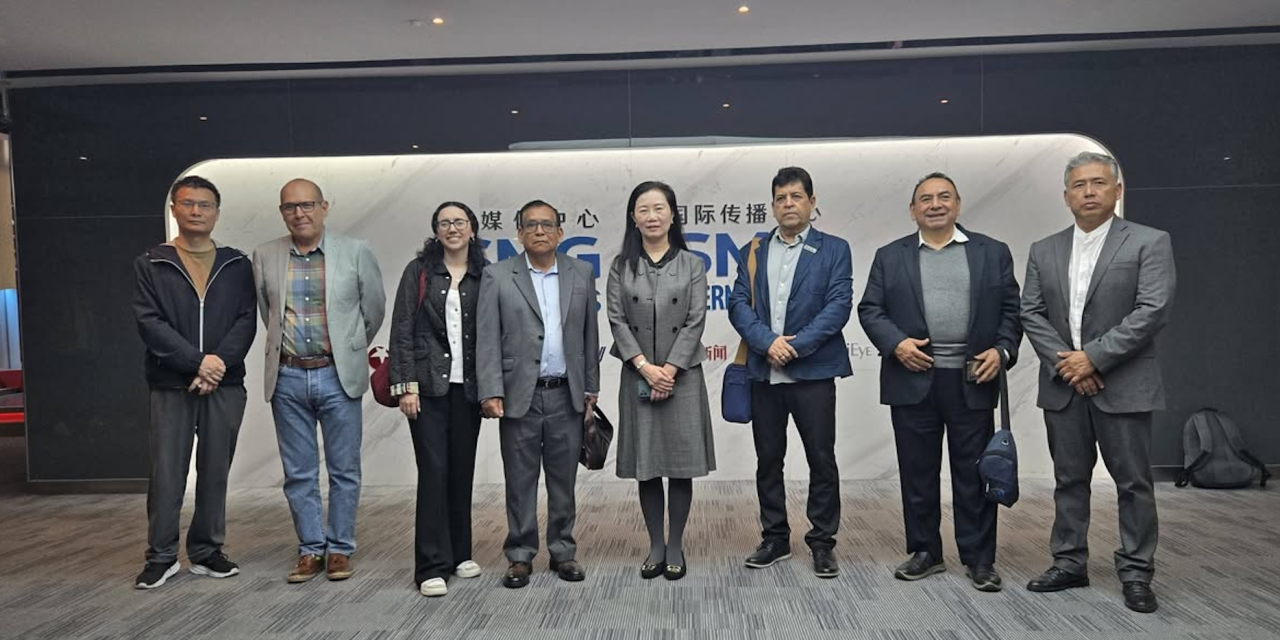
La delegación mexicana de la FAPERMEX y CONALIPE, visitamos las modernas y eficientes instalaciones de Shanghai Media Group (SMG), la red de televisión y radio más grande e influyente de China para constatar los avances en tecnología de las comunicaciones llevadas a un nivel de alcances inigualables.
Un recorrido por sus impresionantes set’s de producción y edición digitales, me hizo pensar en los inicios del periodismo que yo mismo practiqué, con una hoja de papel en blanco y mi vieja máquina con caries en las teclas marca Olivetti que por ahí debe andar aún.
¿Qué tienes?, me preguntó un compañero al ver mi rostro serio y en feedback… ¡ganas de llorar!, le dije, por los recuerdos y por la impresión de ver esas enormes cámaras 4 y 8 K y esos teleprompters que pueden leerse a decenas de metros y que ya no son importadas de Japón o de Alemania como antaño, sino producidas por manos chinas.
“Nos estamos preparando para visitar México”, me dijo Ms. Wu Qian vicepresidente del SMG “porque vamos a estar presentes en el próximo mundial de futbol y estamos preparando y seleccionando el equipo técnico y humano que cubrirá tan importante evento mundial”.
Sostuvimos una reunión en la sala de juntas del piso 23 de la Torre de SMG con altos ejecutivos de la empresa más grande de broadcasting en todo china y ahí Mr. Zheng Li, nos mostró las posibilidades de colaboración que la televisora tiene con países americanos como Perú, hasta dónde se han trasladado para filmar la magnificencia de Cuzco, Machu Pichu o las líneas de Nazca.
En mi calidad de Secretario para las Relaciones Internacionales de la FAPERMEX y con el permiso del presidente Javier Hernández Córdova, propuse en esa reunión de alto nivel, que SMG y nuestras instituciones de periodistas pudiéramos llegar a un convenio para “Contar Historias de Chinos en México” al través de los ojos de periodistas mexicanos en sus estados, propuesta que se realizará en próximas fechas.
Pero si a todo ese desarrollo en las comunicaciones que ha logrado China le ponemos un origen, ese no puede ser otro que su educación.
No es casual ni improvisado que ingenieros chinos construyan cámaras de alta definición, ni que sus periodistas se hayan especializado en finanzas, deportes, política, medio ambiente, social media, ciencia y tecnología, eso sucedió porque tienen un campus universitario del más alto nivel del mundo.
Por la tarde visitamos la Fudan University en donde presenciamos una exquisita muestra de los orígenes de la pintura China en el museo de arte de la Universidad para luego sostener una reunión entre pares con Ms. Lu Liu directora de la facultad de periodismo de la Institución y un grupo de catedráticos universitarios de la facultad.
No pudimos tener una charla más agradable y enriquecedora que entre periodistas y me resultó importante coincidir en puntos torales del quehacer periodístico como por ejemplo la misión del periodista por revisar al poder.
Quizá la gente piense que en un país como China, con un partido hegemónico en donde no hay democracia, los periodistas salgan sobrando.
Cuando les hablé sobre el anarquismo en México de periodistas como Ricardo Flores Magón, sus luchas impresas por derrocar la dictadura de Porfirio Díaz que dieron paso a las bases ideológicas de la revolución mexicana adoptadas por Francisco Madero y la represión de que fueron objeto y comparar aquellos tiempos con los actuales para ejercer el periodismo en México por la presencia cada vez mayor del crimen organizado, estuvieron de acuerdo en que los riesgos son similares.
Y lo son, porque los periodistas chinos están preparados para observar y para señalar al poder. Si tienen un gobierno que ha ponderado la producción en todos los niveles, es porque hay ciudadanos chinos que estudiaron el noble oficio del periodismo y lo ejercen a cabalidad en cada provincia, en cada departamento en cada rama de la producción en este enorme país asiático y así de enorme es el esfuerzo que realizan para cubrir todos las fuentes posibles de su quehacer y su responsabilidad social cotidiana.
Por eso y también en mi calidad de Secretario de Relaciones Internacionales de la FAPERMEX y con la venia de mi dirigente nacional, propuse un intercambio académico entre periodistas de ambos países en el que pudiéramos enriquecer el aprendizaje de las nuevas generaciones de periodistas que vienen emergiendo y que serán los futuros garantes de los derechos de las sociedades.
Esta experiencia de intercambio periodístico fue también aceptada con mucho interés por parte de los catedráticos de la facultad de periodismo de la Universidad de Fudán con quienes coincidimos en todos los puntos que tratamos en la reunión. Una sinergia entre China y México en materia de comunicación en la época de la Big Data, las Social Media y la inteligencia Artificial, podría ocurrir muy pronto.
Hoy nos despediremos de Shanghai no sin nostalgia y sin dejar de agradecer a todos quienes hicieron posible esta interesante visita de la delegación Mexicana. Nos espera otro derrotero en una nueva ciudad por conocer en este continente que es China.
@leyvaguilar
Instagram: leyvaguilar_
Facebook: Francisco Alejandro Leyva Aguilar
AI, AT THE SECOND LEVEL
For the Chinese in Shanghai, Artificial Intelligence represents a quantum leap in their possibilities of doing business, especially with broadcasting in their space and in the world.
The Mexican delegation of FAPERMEX and CONALIPE, we visited the modern and efficient facilities of Shanghai Media Group (SMG), the largest and most influential television and radio network in China to verify the advances in communications technology taken to a level of unparalleled scope.
A tour of its impressive digital production and editing sets, made me think of the beginnings of journalism that I myself practiced, with a blank sheet of paper and my old machine with caries on the Olivetti brand keys that must still be around.
What do you have?, a colleague asked me when he saw my serious face and in feedback… I want to cry!, I told him, for the memories and for the impression of seeing those huge 4 and 8 K cameras and those teleprompters that can be read at tens of meters and that are no longer imported from Japan or Germany as in the past, but produced by Chinese hands.
“We are preparing to visit Mexico,” Ms. Wu Qian vice president of the SMG “because we will be present at the next World Cup and we are preparing and selecting the technical and human team that will cover such an important world event.”
We held a meeting in the boardroom on the 23rd floor of the SMG Tower with senior executives of the largest broadcasting company in all of China and there Mr. Zheng Li, showed us the possibilities of collaboration that the television station has with American countries such as Peru, where they have moved to film the magnificence of Cuzco, Machu Pichu or the Nazca lines.
In my capacity as Secretary for International Relations of FAPERMEX and with the permission of President Javier Hernández Córdova, I proposed in that high-level meeting, that SMG and our journalistic institutions could reach an agreement to “Tell Stories of Chinese in Mexico” through the eyes of Mexican journalists in their states, a proposal that will be made in the near future.
But if we put an origin to all that development in communications that China has achieved, that cannot be other than their education.
It is not accidental or improvised that Chinese engineers build high-definition cameras, nor that their journalists have specialized in finance, sports, politics, environment, social media, science and technology, that happened because they have a university campus of the highest level in the world.
In the afternoon we visited Fudan University where we witnessed an exquisite sample of the origins of Chinese painting in the University’s art museum and then held a peer meeting with Ms. Lu Liu director of the Faculty of Journalism of the Institution and a group of university professors of the faculty.
We could not have a more pleasant and enriching talk than between journalists and it was important for me to agree on toral points of journalistic work such as the journalist’s mission to review power.
Perhaps people think that in a country like China, with a hegemonic party where there is no democracy, journalists leave in excess.
When I told them about the anarchism in Mexico of journalists like Ricardo Flores Magón, their printed struggles to overthrow the dictatorship of Porfirio Díaz that gave way to the ideological bases of the Mexican revolution adopted by Francisco Madero and the repression they were subjected to and compare those times with the current ones to practice journalism in Mexico due to the growing presence of organized crime, they agreed that the risks are similar.
And they are, because Chinese journalists are prepared to observe and point to power. If they have a government that has weighted production at all levels, it is because there are Chinese citizens who studied the noble profession of journalism and fully exercise it in every province, in each department in every branch of production in this huge Asian country and so enormous is the effort they make to cover all the possible sources of their work and their daily social responsibility.
For this reason and also in my capacity as Secretary of International Relations of FAPERMEX and with the permission of my national leader, I proposed an academic exchange between journalists from both countries in which we could enrich the learning of the new generations of journalists who are emerging and who will be the future guarantors of the rights of societies.
This journalistic exchange experience was also accepted with great interest by the professors of the Faculty of Journalism of the University of Fudán with whom we agreed on all the points we discussed at the meeting. A synergy between China and Mexico in terms of communication in the era of Big Data, Social Media and Artificial Intelligence could occur very soon.
Today we will say goodbye to Shanghai not without nostalgia and without ceasing to thank everyone who made this interesting visit of the Mexican delegation possible. Another route awaits us in a new city to know in this continent that is China.


