Por Fco Alejandro Leyva Aguilar.
¿Comprarías un producto Chino?, la idiosincrasia mexicana, sobre todo por mala experiencia dice que no, porque suponemos que lo Chino está mal hecho.
Eso es una verdad a medias porque hace algunas décadas en China se producían copias de miles de productos de occidente, pero las cosas en 40 años, han cambiado y mucho.
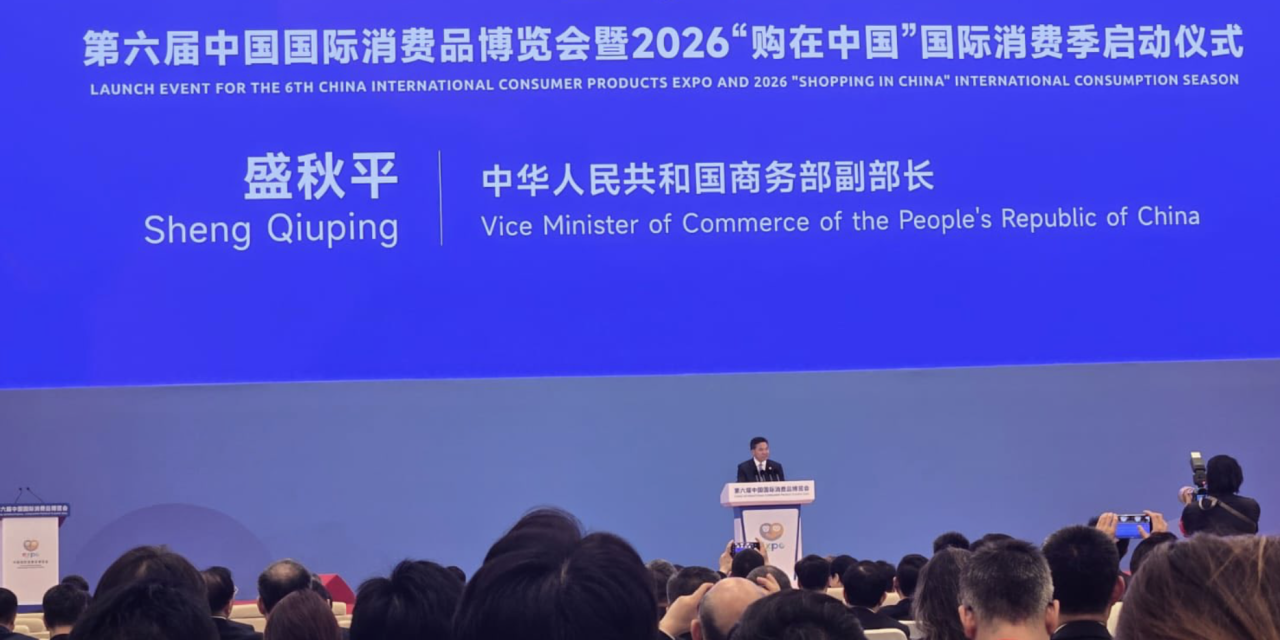
Previo a la inauguración de la Expo Internacional de Productos de Consumo de China, tuvimos la oportunidad de recorrer Hainan, sus hermosas playas y funcionales vialidades, recorrimos los museos de la historia de esa parte de China y pudimos constatar la similitud de algunas de nuestras culturas en América, con estas milenarias civilizaciones.
Era importante conocer la historia, porque no dista tanto de la nuestra y sobre todo de los pueblos costeros de pescadores que aún usan redes y artefactos muy antiguos de pesca y de manufactura de sus embarcaciones.
Están tan distantes y nos parecemos tanto que impresiona. No olvidemos la fisonomía de los Mayas y de los Olmecas con sus ojos rasgados.
Era importante conocer la historia para entender su presente. Un presente donde la otrora China secreta o discreta se abre al mundo con sus casi dos billones de personas y sus infinitas necesidades de consumo.
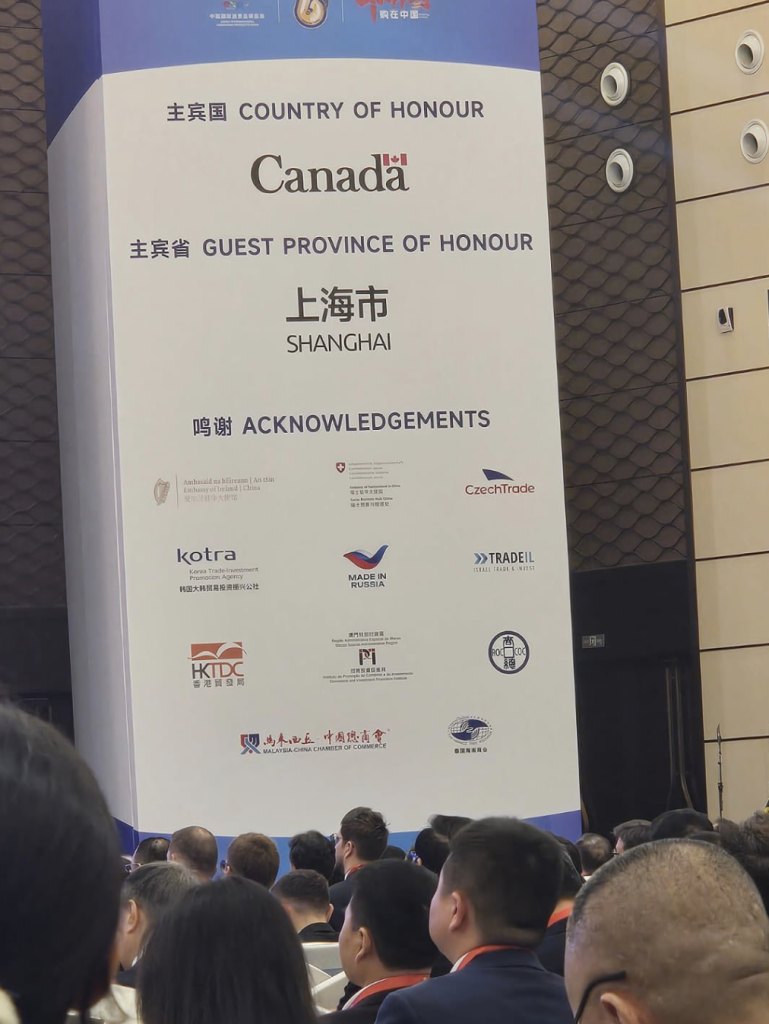
Si estamos algo preocupados por la firma del T-Mec en México, déjenme decirles que los principales socios comerciales en esta Expo de Productos de Consumo en China son justamente Canadá y los Estados Unidos en una coyuntura que mueve cientos de miles de millones de dólares al año y millones de productos de consumo entre ambos continentes.
Este es un mundo comercial global, con oportunidades para quienes las quieran o las puedan aprovechar y la pregunta es entonces ¿por qué México no es parte de este banquete?, ¿qué le hace falta al productor mexicano para comerse una rebanada de este pastelote?
Es posible contactar a una empresa importadora de productos de consumo para China y lo que te va a pedir para empezar es cierto volumen de producto. Ese es un gran problema para el mexicano o para el oaxaqueño, nuestros volúmenes de producción son muy pequeños y un campesino no tendría la oportunidad de llenar un contenedor de la naviera Cosco Shiping Line con la producción de una cosecha de su parcela.
Entonces las cooperativas de producción son las que deben tener la voz cantante y sonante en exposiciones comerciales como esta de Hainan en donde nos pudimos dar cuenta que importan destilados, pero no hay mezcal; importan frutas, pero no hay guanábanas; importan artesanías pero no hay Alebrijes, hojalata o barro negro; importan café pero no alcanza para satisfacer la cada vez más alta demanda del grano en China que está desplazando al té.
La delegación de mexicanos dimos varias entrevistas para la televisión China la CCTV y lo que ponderamos en esos intercambios, son las grandes oportunidades que, si nos organizamos, tenemos los mexicanos para cortar una buena tajada del pastel comercial que ofrecen los chinos.
Por supuesto que la posición geo política de México para la práctica del nearshoring son excepcionales ¿por qué no aprovecharlas sin tenerle miedo a los gringos?.
La última y única vez que un presidente mexicano se dio cuenta de sus posibilidades comerciales en el Atlántico y en el Pacífico fue hace unos 130 años cuando el Oaxaqueño Porfirio Díaz gobernó nuestro país y entonces, como consecuencia de esa apertura al mundo de México, el peso costaba dos dólares.
@leyvaguilar
Instagram: leyvaguilar_
THE HUGE CHINESE MARKET
By Fco Alejandro Leyva Aguilar.
Would you buy a Chinese product?, the Mexican idiosyncrasy, especially for bad experience says no, because we assume that the Chinese is poorly made.
That’s a half-truth because a few decades ago in China copies of thousands of Western products were produced, but things in 40 years have changed a lot.
Prior to the inauguration of the China International Consumer Products Expo, we had the opportunity to tour Hainan, its beautiful beaches and functional roads, we toured the museums of the history of that part of China and we could verify the similarity of some of our cultures in America, with these millennial civilizations.
It was important to know the history, because it is not so far from ours and especially from the coastal villages of fishermen who still use very old fishing nets and artifacts and manufacture of their boats.
They are so distant and we look so similar that it’s impressive. Let’s not forget the physiognomy of the Mayas and the Olmecs with their torn eyes.
It was important to know the story to understand its present. A present where the once secret or discreet China opens up to the world with its almost two billion people and its infinite consumption needs.
If we are somewhat worried about the signing of the T-Mec in Mexico, let me tell you that the main trading partners in this Consumer Products Expo in China are precisely Canada and the United States in a situation that moves hundreds of billions of dollars a year and millions of consumer products between both continents.
This is a global commercial world, with opportunities for those who want them or can take advantage of them and the question is then why is Mexico not part of this banquet? What does the Mexican producer need to eat a slice of this pastel?
It is possible to contact a consumer product importing company for China and what they will ask you to start with is a certain volume of product. That is a big problem for the Mexican or for the Oaxacan, our production volumes are very small and a peasant would not have the opportunity to fill a container of the shipping company Cosco Shipping Line with the production of a harvest of his plot.
So the production cooperatives are the ones that must have the singing and sounding voice in commercial exhibitions like this one in Hainan where we could see that they import distillates, but there is no mezcal; they import fruits, but there are no soursops; they import crafts but there are no Alebrijes, tin or black clay; they import coffee but it is not enough to meet the increasing demand for grain in China that is displacing tea.
The delegation of Mexicans gave several interviews for Chinese television CCTV and what we pondered in those exchanges, are the great opportunities that, if we organize ourselves, we Mexicans have to cut a good slice of the commercial cake that the Chinese offer.
Of course, Mexico’s geopolitical position for the practice of nearshoring is exceptional. Why not take advantage of them without being afraid of the gringos?
The last and only time a Mexican president realized his commercial possibilities in the Atlantic and the Pacific was about 130 years ago when Oaxacan Porfirio Díaz ruled our country and then, as a result of that opening to the world of Mexico, the peso cost two dollars.