China y la Liberación digital
Por Francisco Alejandro Leyva Aguilar
Quién lo hubiera dicho. La liberación de China ocurrida el primero de octubre de 1949, marcó un hito en la vida política del gigante asiático y, como consecuencia lógica, también en su desarrollo periodístico.
Desde 1927, China estaba en un conflicto interno entre las fuerzas del Ejército Popular de Liberación, comandado por Mao Zedong, que ese primero de octubre de 1949 se impuso a Chian Kai-shek líder del Kuomitang y así fundó la República Popular de China.
El diario de la liberación consignó la información que fue publicada en la primera plana del periódico impreso”el diario de la liberación”, hace setenta y siete años ya, mientras el mundo conocido daba por concluida, la sangrienta Segunda Guerra Mundial.
Vencido el gran opositor Japón y destruida la poderosa flota naval y aérea de los nipones, después de los bombarderos nucleares estadounidenses a Hiroshima y Nagashaky ¿qué le quedaba a China?, sólo el desarrollo, lento pero efectivo hasta convertirse en lo que es hoy, el gigante comercial de Asia-Pacífico.
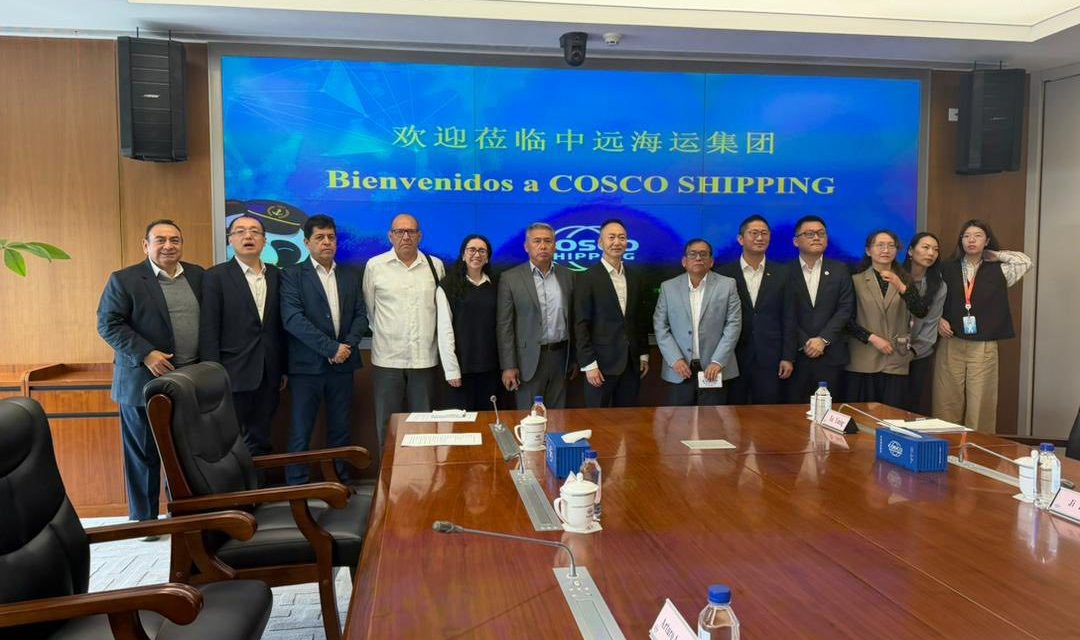
La FAPERMEX y el CONALIPE, encabezados por nuestro Presidente el periodista oaxaqueño Javier Hernández Córdova, fuimos invitados a una charla con la Cosco Shiping Line, una empresa naviera de calidad mundial que mueve millones de toneladas de productos comerciales en ambos continentes.
No hay una empresa del ramo que se compare a Cosco Shiping Line que tiene transacciones comerciales de miles de millones de dólares entre la costa Este de Asia y la Oeste de toda América.
Fuimos recibidos por Mr. Xu Chao CEO de Cosco Shiping Line quien nos enteró de las grandes posibilidades de comercio entre China y México al través de los Puertos de Ensenada, Manzanillo y Lázaro Cárdenas. ¿Imaginan las posibilidades de comercio si el Transistmico fuera una realidad?, las posibilidades no sólo de México sino de la misma China se multiplicarían hacia la costa Este de Estados Unidos y Europa occidental.
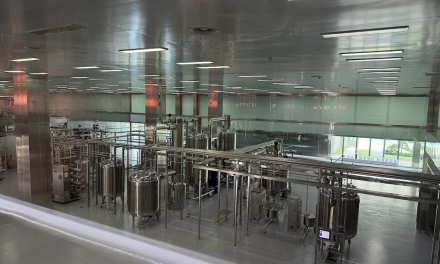
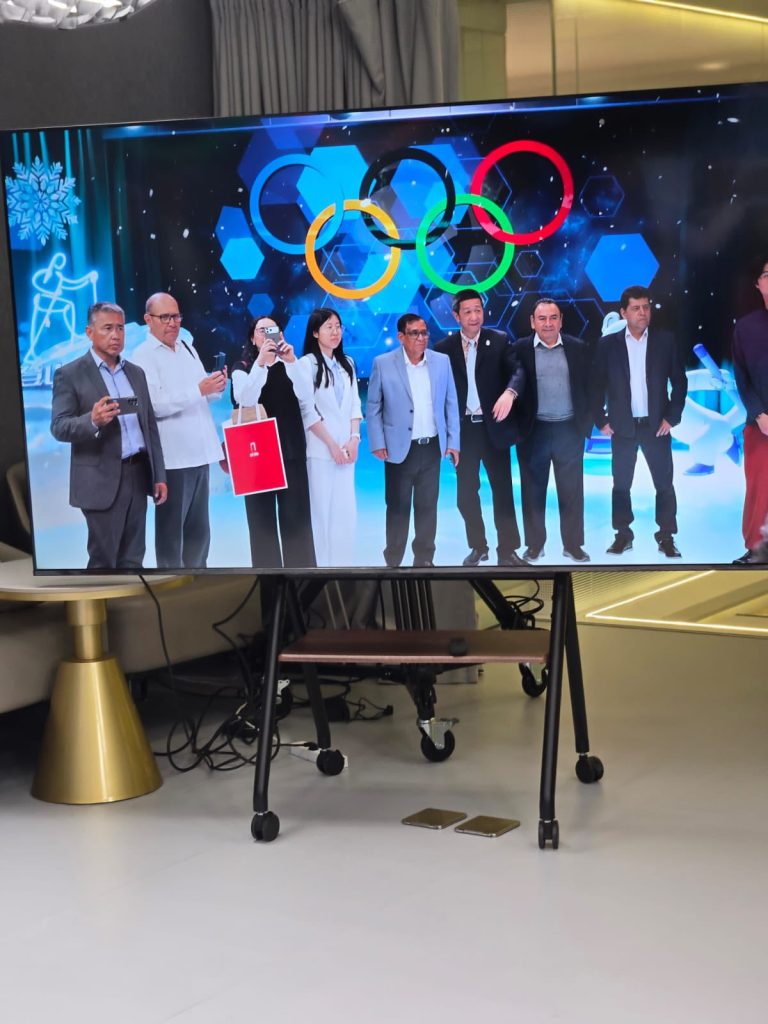
Con puntualidad y coordinación milimétricas, fuimos recibidos después por Ms. Wu Xu, líder de la All-China Journalists Association en Shanghai previo recorrido por las futuristas instalaciones de “The Paper”, uno de los diarios más importantes de China cuyo desarrollo pasó de tirar 40 millones de ejemplares en la década de los 50’s a convertirse en el media group más grande de Asia con más de 100 millones de visualizaciones diarias en sus plataformas digitales.
Y finalmente llegamos a la joya del imperio, el “Jiefang Daily Press Gruop” o mejor conocido como el “diario de la liberación”, donde no dejaron de impresionarme su antiguo edificio forrado en madera y el extraordinario museo fotográfico, además de su impresionante emeroteca.
Fuimos amablemente recibidos ahí por una delegación de All-China Journalists Association encabezada por Wu Honghao quien nos hizo el recorrido por los pasillos llenos de historia del “Diario de la Liberación” donde pudimos conocer las noticias más destacadas a lo largo de la historia de China desde la fundación del rotativo en 1949, un diario que hoy es un monstruo informativo digital con cerca de 10 millones de lectores al día.
No me extraña que los periódicos en China hayan evolucionado de lo análogo a lo digital, porque si algo ha caracterizado a este país, es su desarrollo tecnológico y sin embargo ese brutal salto no dejó de hacerme sentir lo importante que hoy son las social media y los contenidos digitales para maximizar el alcance de las noticias y la satisfacción del público, hoy convertidos en “seguidores”, “viewers” o “likes”.
Si el “Diario de la Liberación” trascendió en el tiempo y de ser un montón de papel impreso se convirtió en un referente informativo digital mundial con contenidos en diversas idiomas del mundo ¿por qué en México no pasó lo mismo con el “Regeneración” de los hermanos anarquistas Enrique y Ricardo Flores Magón fundado el 7 de agosto de 1900?.
¿Qué nos hace falta para llegar a los niveles informativos de estos dos medios aglutinados en la All-China Journalists Association?, ¿cuáles son los pasos que medios que aún se imprimen como la Jornada, Reforma o el Universal lleguen a esas audiencias?, y la sociedad mexicana ¿cuándo va a dejar de traer su periódico bajo el brazo para sumarse a las social media?, ¿cuánta educación tenemos que adquirir para consumir y analizar contenidos de noticias que te ayuden a tomar decisiones?.
Nos falta mucho por aprender y aprehender, por eso es importante la propuesta de nuestro Presidente Javier Hernández Córdova a la All-China Journalists Association de permitir un intercambio de periodistas para que compañeros mexicanos se profesionalicen y vengan a capacitarse en estos medios que son un ejemplo de la transición del papel impreso a la pantalla digital, espero y se concrete pronto.
@leyvaguilar
Instagram: leyvaguilar_
Facebook: Francisco Alejandro Leyva Aguilar
@leyvaguilar
Instagram: leyvaguilar_
Facebook: Francisco Alejandro Leyva Aguilar
CHINA AND DIGITAL LIBERATION
By Francisco Alejandro Leyva Aguilar
Who would have thought. The liberation of China on October 1, 1949, marked a milestone in the political life of the Asian giant and, as a logical consequence, also in its journalistic development.
Since 1927, China was in an internal conflict between the forces of the People’s Liberation Army, commanded by Mao Zedong, who that October 1, 1949 prevailed over Chian Kai-shek leader of the Kuomitang and thus founded the People’s Republic of China.
The newspaper of the liberation recorded the information that was published on the front page of the printed newspaper “the newspaper of the liberation”, seventy-seven years ago, while the known world ended the bloody Second World War.
Defeated the great opponent Japan and destroyed the powerful naval and air fleet of the Japanese, after the US nuclear bombers to Hiroshima and Nagashaky, what was left to China?, only the development, slow but effective until it became what it is today, the trade giant of Asia-Pacific.
FAPERMEX and CONALIPE, headed by our President Oaxacan journalist Javier Hernández Córdova, we were invited to a talk with Cosco Shipping Line, a world-class shipping company that moves millions of tons of commercial products on both continents.
There is no company in the field that compares to Cosco Shipping Line that has billion-dollar commercial transactions between the East coast of Asia and the West coast of all America.
We were welcomed by Mr. Xu Chao CEO of Cosco Shipping Line who told us about the great possibilities of trade between China and Mexico through the Ports of Ensenada, Manzanillo and Lázaro Cárdenas. Can you imagine the possibilities of trade if Transistmic were a reality? The possibilities not only of Mexico but of China itself would multiply towards the East coast of the United States and Western Europe.
With millimeter punctuality and coordination, we were then received by Ms. Wu Xu, leader of the All-China Journalists Association in Shanghai after touring the futuristic facilities of “The Paper”, one of the most important newspapers in China whose development went from throwing 40 million copies in the 50’s to becoming the largest media group in Asia with more than 100 million daily views on its digital platforms.
And finally we come to the jewel of the empire, the “Jiefang Daily Press Gruop” or better known as the “liberation diary”, where I was not stopped impressed by its old wood-lined building and the extraordinary photographic museum, in addition to its impressive emeroteca.
We were kindly received there by a delegation of the All-China Journalists Association headed by Wu Honghao who gave us a tour of the history-packed corridors of the “Liberation Diary” where we could learn about the most outstanding news throughout the history of China since the founding of the newspaper in 1949, a newspaper that today is a digital news monster with about 10 million readers a day.
It is not surprising that newspapers in China have evolved from the analog to the digital, because if something has characterized this country, it is its technological development and yet that brutal leap did not stop making me feel how important social media and digital content are today to maximize the reach of the news and public satisfaction, today converted into “followers”, “viewers” or “likes”.
If the “Liberation Diary” transcended in time and from being a pile of printed paper became a world digital informative reference with content in various languages of the world, why didn’t the same happen in Mexico with the “Regeneration” of the anarchist brothers Enrique and Ricardo Flores Magón founded on August 7, 1900?
What do we need to reach the informative levels of these two media agglutinated in the All-China Journalists Association? What are the steps that media that are still printed such as the Jornada, Reforma or the Universal reach those audiences? And Mexican society, when will it stop bringing its newspaper under the arm to join the social media? How much education do we have to acquire to consume and analyze news content that help you make decisions?
We still have a lot to learn and understand, that is why the proposal of our President Javier Hernández Córdova to the All-China Journalists Association to allow an exchange of journalists is important so that Mexican colleagues can professionalize and come to train in these media that are an example of the transition from printed paper to digital screen, I hope and it will materialize soon.