– Ante las amenazas y las advertencias el periodista oaxaqueño prefirió asumir el riesgo antes que someterse al poder.
– Luis Javier Hernández Córdoba, presidente de FAPERMEX, advierte sobre la impunidad sistemática y el grave mensaje del Estado contra la libertad de expresión.
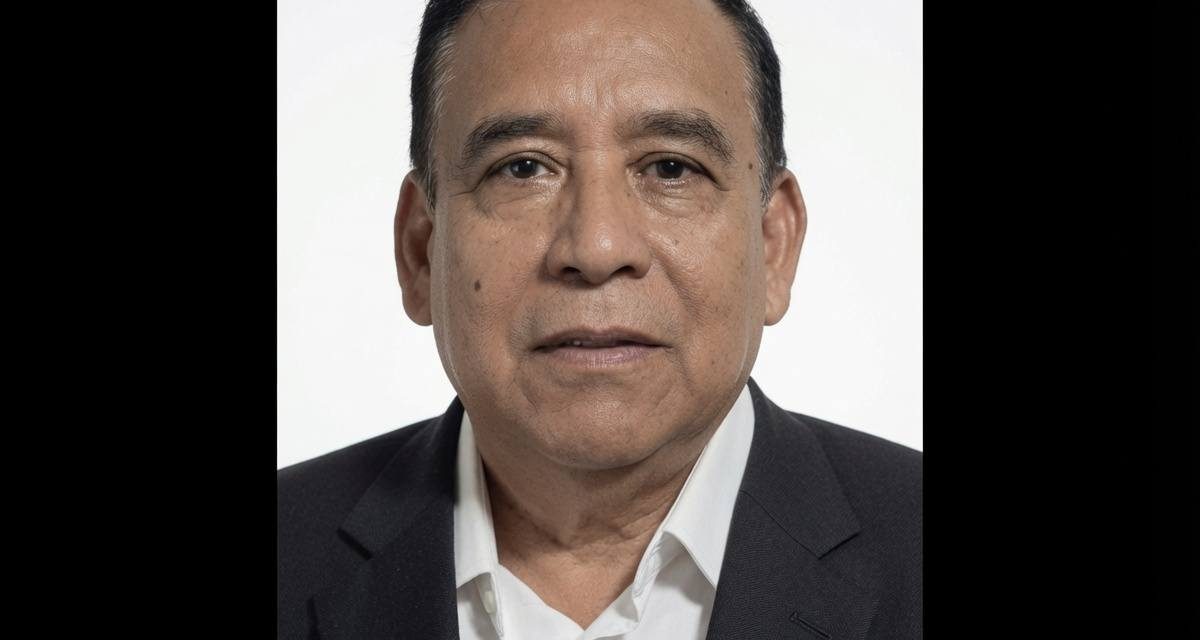
“No me puedo quedar callado y si el precio es que me vayan a eliminar, estoy dispuesto a pagar ese precio. No me da miedo, no soy ningún cobarde; soy periodista antes que nada”. Con estas palabras, grabadas en la memoria de sus colegas, respondía el periodista Francisco Alejandro Leyva Aguilar a las recurrentes advertencias de sus compañeros que le pedían moderar el tono de su columna y de sus participaciones en video para no “herir las pieles sensibles del poder”.
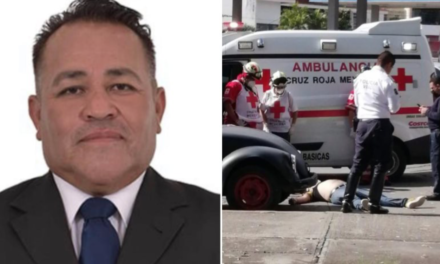
Hoy, esas palabras resonaron como un testamento ético y de lucha tras su asesinato en Oaxaca, en una jornada donde la Asociación de Periodistas de Oaxaca (APO) le rindió honores de cuerpo presente en la Casa del Periodista.
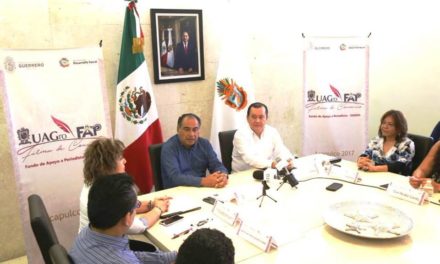
En entrevista para Irradia Noticias Morelos con el periodista Teodoro Rentería Villa, el presidente de la Federación de Asociaciones de Periodistas Mexicanos (FAPERMEX), Luis Javier Hernández Córdoba, lamentó con profundo dolor el crimen de quien no solo fue su colega gremial, sino también su alumno y amigo cercano desde sus inicios en el diario El Extra.
“Un mensaje grave contra la libertad de expresión”
Hernández Córdoba enfatizó que el homicidio de Leyva Aguilar —quien se destacó por ejercer un periodismo crítico y de investigación directa— es un atentado directo a la democracia mexicana y un síntoma de autoritarismo.
“Es un mensaje muy grave para el periodismo, no solo en Oaxaca, sino a nivel nacional. Cuando desde el poder no encuentran la manera de aclarar una situación porque no tienen elementos para hacerlo y el periodista se fortalece con la verdad, es cuando llegan a estas determinaciones: el asesinato, el atentado y las amenazas”, aseveró el líder de FAPERMEX.
El dirigente explicó que, lejos de ser un hecho fortuito, el Estado ha fallado de manera sistemática en proteger un derecho fundamental. Señaló que el deterioro democrático abre la puerta a “gobiernos totalitarios” donde silenciar voces críticas se convierte en la norma.
La exigencia de justicia y la sombra de la impunidad
Cuestionado sobre las demandas de investigación hacia la Fiscalía General de la República (FGR), Hernández Córdoba mostró una postura cruda y realista respecto al historial de justicia para el gremio periodístico en México:
• Impunidad casi absoluta: Destacó que, históricamente, los crímenes contra periodistas quedan sin resolver.
• Simulación institucional: Denunció que los entes de procuración de justicia actúan “al servicio del poder”, simulando indagatorias que terminan en carpetas enlatadas o resoluciones para “dar el dedo en la boca” a la opinión pública.
• Falta de culpables: Subrayó que tras años de agresiones, nunca se llega a concretar una investigación con responsables intelectuales y materiales encarcelados.
Unidad gremial como única trinchera
Pese al luto y la consternación, FAPERMEX hizo un llamado urgente a la unidad y organización nacional de los comunicadores. Minutos antes de ser asesinado, Francisco Alejandro Leyva Aguilar trabajaba activamente en sumar a periodistas de Mérida a las filas de FAPERMEX y del Colegio Nacional de Licenciados en Periodismo, CONALIPE.
El gremio de Oaxaca y las organizaciones nacionales continuarán con los reclamos de justicia y homenajes en el marco de sus próximos encuentros nacionales, con la firme premisa de no doblegarse ante la violencia y honrar la memoria de quien prefirió la verdad antes que la sumisión.
FRANCISCO ALEJANDRO LEYVA AGUILAR TOOK THE RISK BEFORE SUBMITTING TO POWER
- Faced with threats and warnings, the Oaxacan journalist preferred to take the risk rather than submit to power.
- Luis Javier Hernández Córdoba, president of FAPERMEX, warns about systematic impunity and the serious message of the State against freedom of expression.
“I can’t keep quiet and if the price is that they’re going to eliminate me, I’m willing to pay that price. I’m not afraid, I’m not a coward; I’m a journalist first and foremost.” With these words, engraved in the memory of his colleagues, journalist Francisco Alejandro Leyva Aguilar responded to the recurring warnings of his colleagues who asked him to moderate the tone of his column and his video participations so as not to “hurt the sensitive skins of power.”
Today, those words resonated as an ethical and fighting testament after his murder in Oaxaca, on a day where the Association of Journalists of Oaxaca (APO) honored him with a body present in the Journalist’s House.
In an interview for Irradia Noticias Morelos with journalist Teodoro Rentería Villa, the president of the Federation of Associations of Mexican Journalists (FAPERMEX), Luis Javier Hernández Córdoba, regretted with deep pain the crime of who was not only his union colleague, but also his student and close friend since his beginnings in the newspaper El Extra.
“A serious message against freedom of expression”
Hernández Córdoba emphasized that the murder of Leyva Aguilar – who stood out for practicing critical journalism and direct investigation – is a direct attack on Mexican democracy and a symptom of authoritarianism.
“It is a very serious message for journalism, not only in Oaxaca, but at the national level. When from the power they do not find a way to clarify a situation because they have no elements to do it and the journalist is strengthened with the truth, it is when they arrive at these determinations: the murder, the attack and the threats,” said the leader of FAPERMEX.
The leader explained that, far from being a fortuitous event, the State has systematically failed to protect a fundamental right. He pointed out that democratic deterioration opens the door to “totalitarian governments” where silencing critical voices becomes the norm.
The demand for justice and the shadow of impunity
Questioned about the demands for investigation against the Attorney General’s Office (FGR), Hernández Córdoba showed a crude and realistic stance regarding the history of justice for the journalistic union in Mexico:
- Almost absolute impunity: He stressed that, historically, crimes against journalists remain unsolved.
- Institutional simulation: He denounced that the procuring bodies of justice act “in the service of power”, simulating investigations that end up in canned folders or resolutions to “give the finger in the mouth” of public opinion.
- Lack of culprits: He stressed that after years of aggression, an investigation with intellectual and imprisoned material leaders is never completed.
Guild unit as the only trench
Despite the mourning and dismay, FAPERMEX made an urgent appeal to the unity and national organization of the communicators. Minutes before being murdered, Francisco Alejandro Leyva Aguilar actively worked on adding journalists from Mérida to the ranks of FAPERMEX and the National College of Graduates in Journalism, CONALIPE.
The union of Oaxaca and national organizations will continue with the demands for justice and tributes within the framework of their next national meetings, with the firm premise of not bowing to violence and honoring the memory of those who preferred truth over submission.